
A/N: As part of my professional development as a librarian, I have read and reviewed this book. It was a short but interesting collection and I would recommend it to anyone interested in the topic of censorship in children’s library collections.
Snail Archer
_@v
I recently read the book, Hit list for children 2 frequently challenged books, henceforth referred to as Hit List, by Becker, Stan and Pistolis. This book provides insight into common reasons that censorship challenges may be brought upon children’s books. Although it is from an American perspective, I believe it would prove helpful to Australia children and youth’s librarians as well.
The book begins with a preface, explaining that the American Library Association (ALA) Office for Intellectual Freedom received over 6700 challenges to censor library materials between 1992 and 2002, and that these are estimated to be as little as one-fifth of the true number as many challenges are not reported. The book then goes on to detail challenges to 42 books, providing a history of challenges and the reasons behind them.
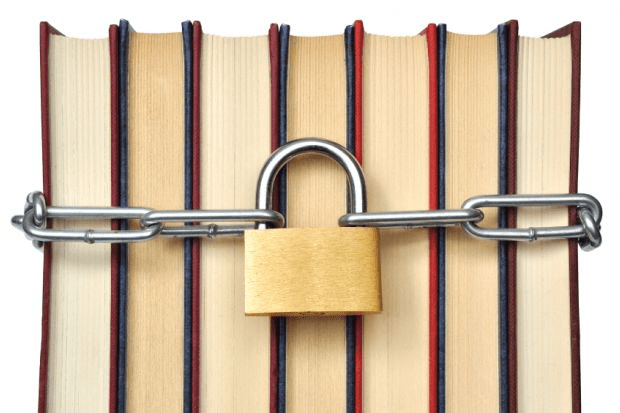
Reasons such as ‘undermining the authority of parents’, ‘reinforcing negative behaviour’, ‘profanity’, ‘student on student abuse’, ‘immoral behaviour’, ‘offensive behaviour’, ‘evil triumphing over good’, ‘sexual content’, ‘sex education’, ‘descriptions of nudity’, ‘violence’, ‘references to rape, drinking, and battlefield violence’, ‘contains the word ‘ass’’, ‘promotes drugs and whiskey’, ‘desensitize children to crimes related to witchcraft’…
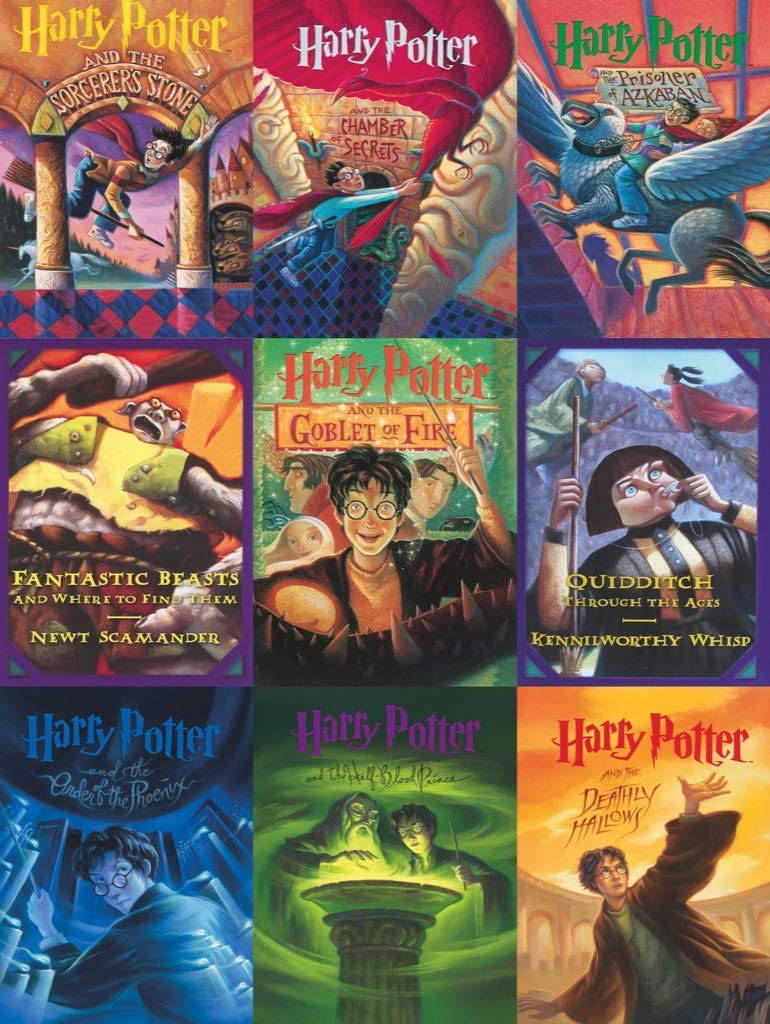
…‘names of punk rockers’, ‘socialist, communist, evolutionary and anti-family themes’, ‘references divorce’, ‘too racy’, ‘anatomically correct illustrations and depictions of intercourse, masturbation and homosexuality’, ‘undermines religious beliefs’, ‘infanticide’, ‘suicide’, ‘sexuality’, ‘euthanasia’, ‘use of vulgarity for human waste’, ‘underage drinking’, ‘song lyrics dealing with necrophilia’, ‘skilful presentation to the young child about lesbianism/homosexuality’, ‘elaborate fantasy world’, ‘use of ‘Oh, Lord’ as an expletive’…
…‘serious tone of death, hate, lack of respect, and sheer evil’, ‘lying and smart-aleck retorts to adults’, ‘use of obscene gestures’, ‘cause children to fear the dark, have nightmares and an unrealistic view of death’, ‘imparts a dreary and negative message’, ‘caricature of a nude person’s behind stung by a bee’…
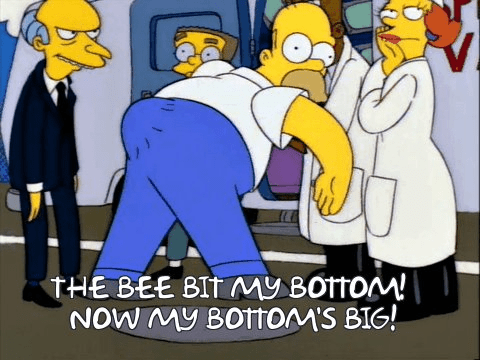
…‘too frightening for children’, and ‘promotes or sanctions a homosexual lifestyle’ are cited.
The book ends by explaining what ALA can do to help librarians combat censorship, with contact information for their office. It explains the ‘combating censorship is never ending’.
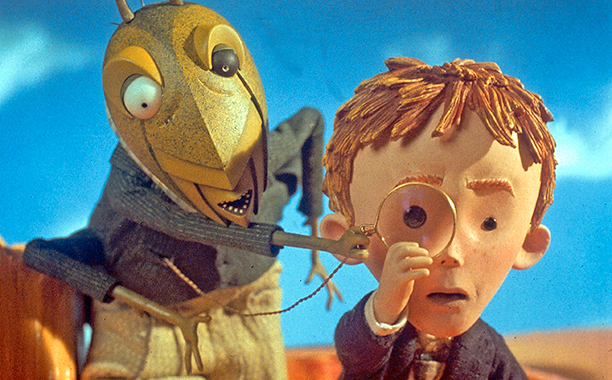
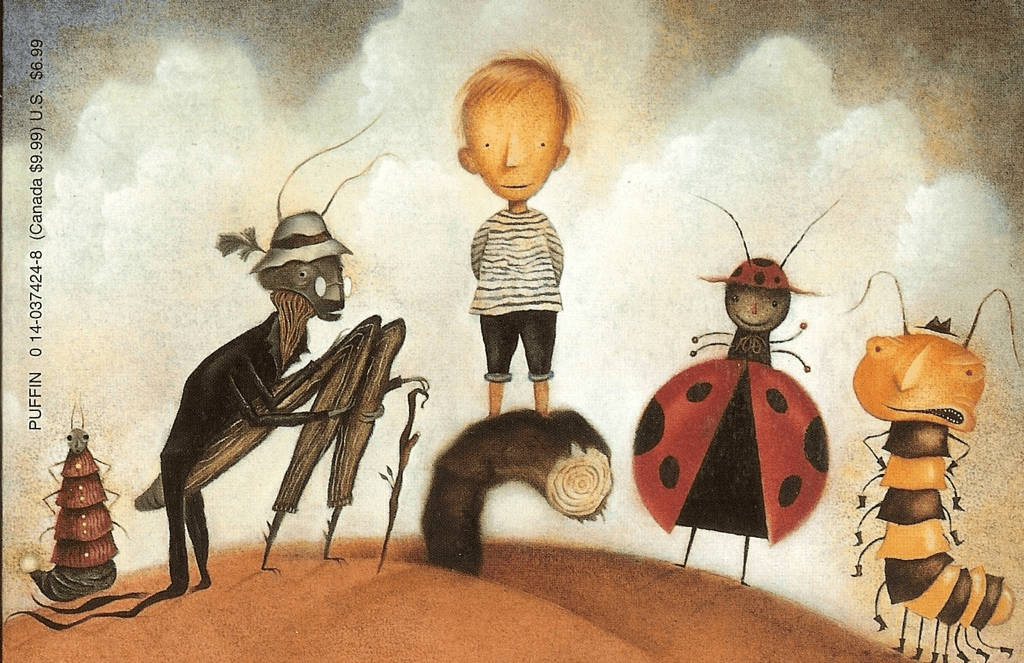
Some of the reasons given for a book to be censored were repetitive and some were uniquely nit-picky. A surprise to me was James and the Giant Peach which was challenged for use of the word ‘ass’ and for ‘promoting drugs and whiskey’. While my memory of reading James and the Giant Peach as a child myself are now somewhat hazy, it did not cause me to fall into a life of drug and alcohol abuse.
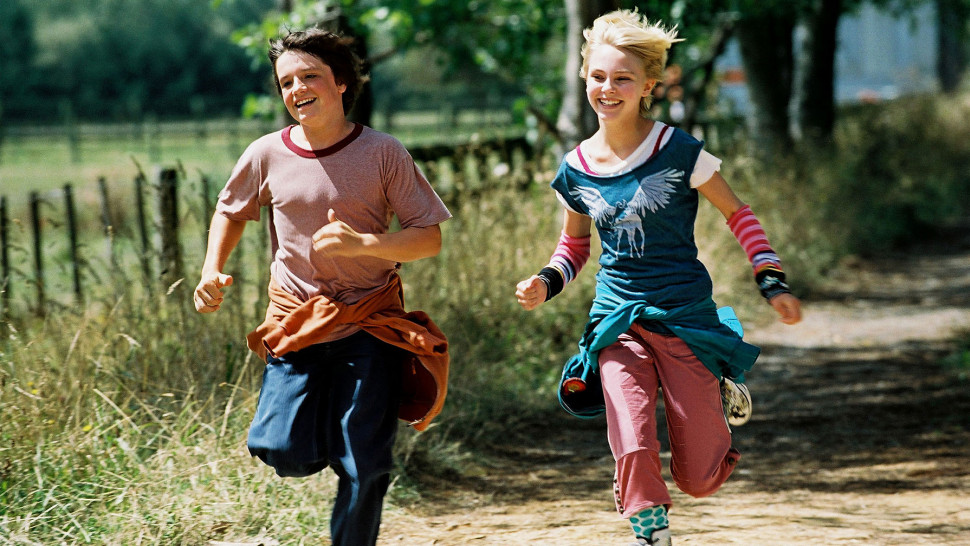
Another unexpected challenge was the ‘depiction of an elaborate fantasy world causing confusion to children’ in Bridge to Terabithia. That struck me as particularly bizarre, as the nature of many fiction books is to include an elaborate fantasy world. These challenges show that people can want books censored for a wide and surprising range of reasons. Librarians should always be prepared to expect the unexpected.
However, most of the challenges to books came from a religious source, with challenges to depictions of witchcraft, LGBT+ people, and sex education being frequent. Librarians can therefore also expect the expected. When you add a new book to your library’s children’s collection and you know the book to contain depictions of violence, profanity, witchcraft, sexuality, sex education, or disobedience towards parents, you should expect a higher likelihood of censorship challenges.
I would recommend Hit List as a short but insightful read to present and future librarians working in children’s or youth librarianship or in a school library.
_@v
References:
Becker, B. C., Stan, S., & Pistolis, D. R. (2002). Hit list for children 2 frequently challenged books. American Library Association.
_@v
Images (In Order of Appearance):
https:// http://www.timeshighereducation.com/blog/ban-or-not-ban-why-we-shouldnt-agree-about-book-censorship
https:// http://www.amazon.com.au/New-York-Puzzle-Company-Collage/dp/B07X3CSXH8
https:// tenor.com/view/comedy-animated-futurama-leela-oh-lord-gif-3298936
https:// twitter.com/TheBrandiRhodes/status/923382398762483712
https:// tygertale.com/2013/05/13/dahl-without-blake-6-lane-smiths-james-and-the-giant-peach/
https:// http://www.intofilm.org/films/3629

 Archer's Library
Leave a comment