
A/N: In this, the second part of my professional development series, I found a TED Talk by Brynn Welch, a doctor in applied ethics and social/political philosophy. She gave me some healthy food for thought, so I will share it with you here. Check out her video at:
Snail Archer
_@v
I watched a TED Talk lecture by Brynn Welch on Missing adventures: Diversity and children’s literature. The following is a kind of transcript of her speech, along with some of my thoughts sparked by the topic.
Transcript:
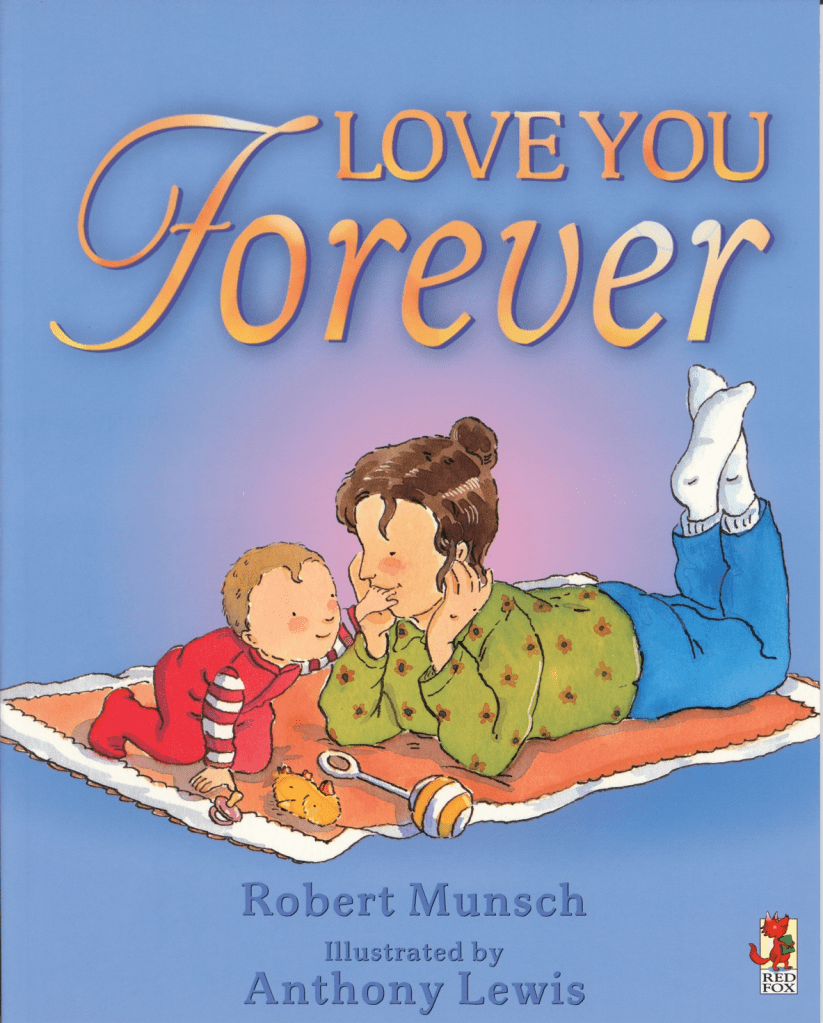
Brynn starts by talking about her own experience becoming an adoptive mother. She relates a humorous anecdote to not being prepared for anything… except children’s books. She thinks about the relationship between parents, children and books. Love you forever is her favourite book. She read blogs, shopped in stores, and was very prepared for children’s books. There are now multiple bookshelves throughout her house and her three year old loves them. However, purchasing children’s books has become heart breaking.
Her son is black (she’s white). Most characters in children’s books are white.
According to Cooperative Children’s Book Centre at the University of Wisconsin… Of the 3200 children’s books published in 2015 in the USA, fewer than 300 were about a black child, fewer than 30 were about native American children, just over 100 were about Asian children, and less than 80 were about Latino children (240, 28, 106, 78 respectively). Only 16% of children’s books were about a child of colour.
Some of you might be thinking ‘many children’s books aren’t about humans so…’
When books about humans and books about non-humans are separated out, POC still only make up 7.8%.
“White is the default.”
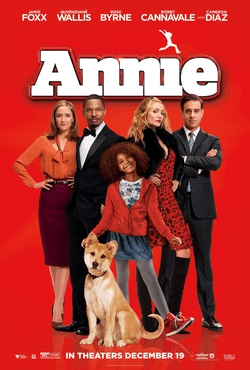
When Annie was released in 2014, critics said, “The black angle was neutered” and failed to offer an African American slant. It means the movie’s failure is not telling us why Annie is black. Tragically audiences weren’t ready to see this without asking why they’re black.
Brynn says we should vote with our dollars as consumers. When she saw the Jackie Robinson book in the Ordinary people change the world series, she almost bought it, but then she saw it was next to the book in the same series about Albert Einstein. This gives the subtle and unintentional message that one person changed the world through sports and one through being a genius. She went home and looked at the series online to see if this was a coincidence but… Rosa Parks, MLK, Abe Lincoln, Lucille Ball, and Helen Keller were others in the series. The range of ways white Americans have changed is wide, but black people only have civil rights and sports.

It matters who children see and who they don’t see. Books about successful POC are out there but hard to find. Often when telling a story about POC, the focus is the colour and the person is lost. For example, in STEM, both boys and girls have been encouraged to see science as equal gender (it matters who you see and what they’re doing when you see them).
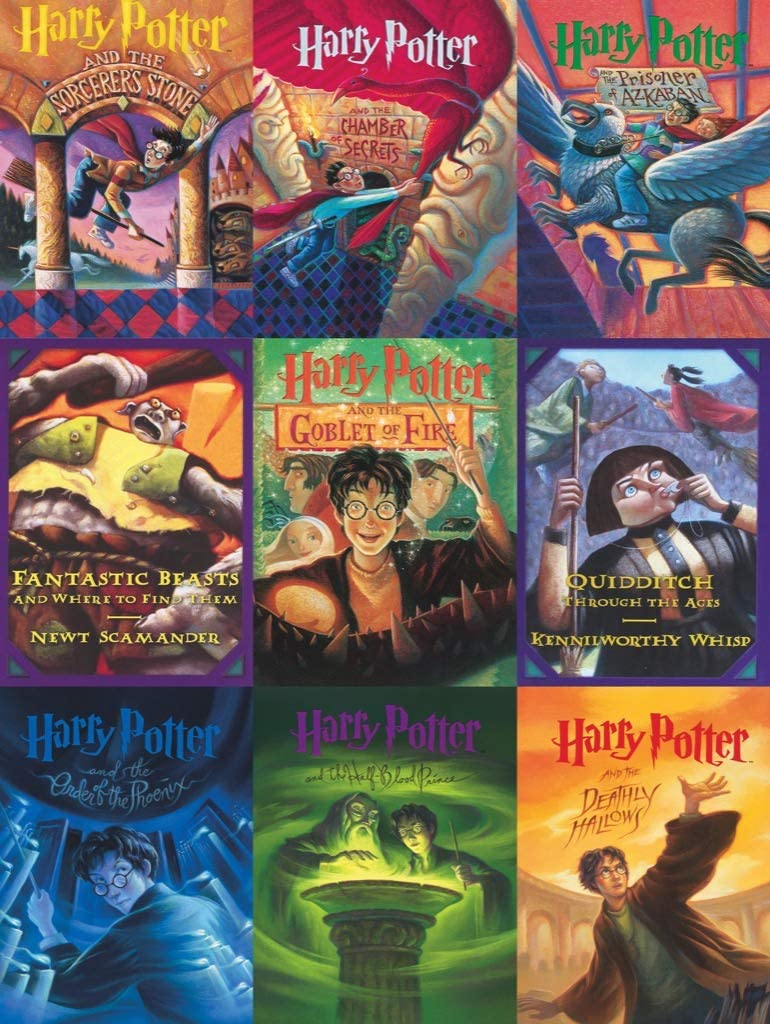
A recent study found that reading the Harry Potter series can instil positive attitudes about refuges, immigrants, and homosexuals, despite none of those groups appearing in the books. Knowing someone who is different and even knowing someone who knows someone can change your view and now it seems that even reading about someone who knows someone can help according to the study. What the white children in Harry Potter do is speak to creatures who are very different from them and readers internalise that it’s OK and not scary to talk with people who are different than you.
White children and POC children both deserve to see POC children enjoying adventures, and start fresh in the world, not inheriting stereotypes. So there’s a problem. Most children’s literature is about a white character, and when it’s about POC it’s about colour not person.
The solution is….
Part of it is to buy more children’s books
Browsing and purchasing children’s books is genuine work towards addressing the problem. It also works for movies, TV, video games, greeting cards etc. She is not arguing to spend more money, just spend the money you’d already spend not on the troubling stereotypes but a morally urgent social problem.
Brynn lists various children’s books that apply:
The dot, ish, happy birthday madame chapeau, please baby please, elevator magic
Most people don’t notice who is not there until someone points out the problem. For Brynn, it was her son’s existence. Once you notice, it’s all you can see.
Children’s literature should also reflect different religious beliefs, family structures, and mental and physical abilities.
You need to:
- Notice whose adventures are missing
- Vote with your dollars
- Demand to see stories about people who don’t look like us
Because children deserve a world that sees them more than 8% of the time.
_@v
Thoughts:
Brynn is right that you generally do not notice these things until it is pointed out to you. Having listened to her lecture and now thought about books I enjoyed reading as a child and as a teenager, I reflect that there were few if any POC, especially as the main character. The same could be said for people with religions other than Christianity or atheism and for people with sexualities and genders other than heterosexual and cisgender. Characters with less able bodies or mental disorders were more common, although by no means in the younger books.
I wonder if part of the struggle is that a lot of popular authors in the Western hemisphere are white and are often told to not write about other people with different cultures or life experiences as they may be inaccurate. However, this stereotyped message to writers should be ignored. There are many good writers, of all backgrounds, who can write about any character with any background. Part of the point of being a writer is to imagine worlds that are different than your own. Certainly characters and stories directly inspired by something you yourself have experienced may ring with a certain extra degree of truth, but that should by no means stop you from writing about different kinds of people. It would be like saying that male authors shouldn’t write female characters and vice versa, which is a take I have heard some people say that is truly bogus. If all we can ever write about is ourselves, how are we ever expected to grow empathy, understanding and acceptance for anyone else?
Thus, where Brynn titled her speech Missing adventures, I titled my post Missing Imagination because it certainly seems like everyone is missing out if all authors can imagine are themselves.
_@v
References:
Welch, B. (2016). Missing adventures: Diversity and children’s literature. TEDx Talks. https:// www. youtube.com/watch?v=Yq2opVinciA
Pictures:
https://www. penguin.com.au/books/love-you-forever-9780099266891
https:// en. wikipedia.org /wiki/Annie_(2014_film)#/media/File:Annie2014Poster.jpg
https:// cdn2.penguin.com.au /covers/original/9780593696118.jpg
https:// www. amazon.com.au/New-York-Puzzle-Company-Collage/dp/B07X3CSXH8

 Archer's Library
Leave a comment